
WHO WE ARE
The Lake Huron Forever Steering Committee is comprised of the following partners
from the United States and Canada:
Stuart Reid
Community Foundation Grey Bruce, Owen Sound, Ontario
Enhancing community vitality by fostering open discussion about local need, sharing knowledge, and growing endowments to provide strategic support to a wide range of non-profit organizations.
Community Foundation Grey Bruce works towards building community wellbeing and, within its shoreline communities and watersheds, good practices around stormwater management and nature-based solutions. They recognize that water is essential to life and we acknowledge with respect the history, spirituality, and culture of the Anishinaabek as traditional stewards of these waters. Through Peer Learning Circles and a wide range of technical and planning expertise available to communities through Lake Huron Forever, these practices become reality. Learn more at communityfoundationgreybruce.com.
Patrick Heraghty
Community Foundation for Northeast Michigan, Alpena, Michigan
Fulfilling the charitable goals of donors and addressing the current and future needs of our communities.
The intersection between the vision of Lake Huron Forever and the mission of Community Foundation for Northeast Michigan lies in their shared commitment to the well-being of the community and the environment through stewardship, partnerships, education & awareness, grantmaking for projects and more. Collaborative efforts and strategic funding contribute to achieving both the charitable goals of donors and the preservation of Lake Huron for current and future generations. Learn more at cfnem.org.
Samantha Nellis
Huron Pines, Alpena & Gaylord, Michigan
Conserving and enhancing Northern Michigan’s natural resources to ensure healthy water, protected places and vibrant communities.
Lake Huron Forever is instrumental in building meaningful projects and relationships that help Huron Pines achieve its mission. The “engage, activate, sustain” model allows nonprofit conservation organizations like Huron Pines to engage and empower coastal communities in Northern Lower Michigan to take actions which sustain the health of our shared waters. Learn more at huronpines.org.
Bretton Joldersma
Michigan Department of Environment, Great Lakes, and Energy
Protecting Michigan’s environment and public health by managing air, water, land, and energy resources.
Michigan Department of Environment, Great Lakes, and Energy envisions a state that respects its people, treasures natural resources, and fosters thriving communities throughout both peninsulas. Lake Huron Forever’s focus on connecting local communities to the Great Lakes and Lake Huron is critical in helping to protect one of Michigan’s most important natural resources. Learn more at michigan.gov/egle.
Michael Kelly
The Conservation Fund-Saginaw Bay Watershed Initiative Network, Saginaw Bay, Michigan
Connecting people, resources, organizations, and programs through strategic investments and technical support for projects that balance economic, environmental, and social priorities.
Michigan’s largest watershed, the Saginaw Bay Watershed, is located between the thumb and forefinger of Michigan’s “mitten” on the shore of Lake Huron. The watershed includes more than 7,000 miles of rivers and streams and 175 inland lakes providing habitat for fish and migratory birds. Since 1998, the Watershed Initiative Network has invested more than $5 million in approximately 300 projects and leveraged an additional $12 million in support of projects which prioritize water quality. Mike's deep knowledge of local and regional water conservation efforts and the investing power of the Watershed Initiative Network are helping to advance collaboration across Lake Huron Forever communities, support early on-the-ground projects to demonstrate success and tell their stories to a broader conservation network across the Great Lakes. Learn more at conservationfund.org.

-
Stuart joined Lake Huron Forever in 2018, driven by the Community Foundation Grey Bruce's mission to enhance community vitality while acknowledging the region's sacred connection to Lake Huron and Georgian Bay. As an ambassador, he builds awareness and facilitates support from volunteers, agencies, and philanthropists.
Over the next five years, Stuart is excited to continue cross-border collaboration and sustain partnerships vital to Lake Huron Forever's work in local communities. With over 35 years of non-profit leadership experience, he brings skills honed as a museum director, curator, volunteer, and certified yoga instructor.
Living near Georgian Bay's shores in Annan, Ontario, Stuart is committed to being an active steward of these precious waters.
-
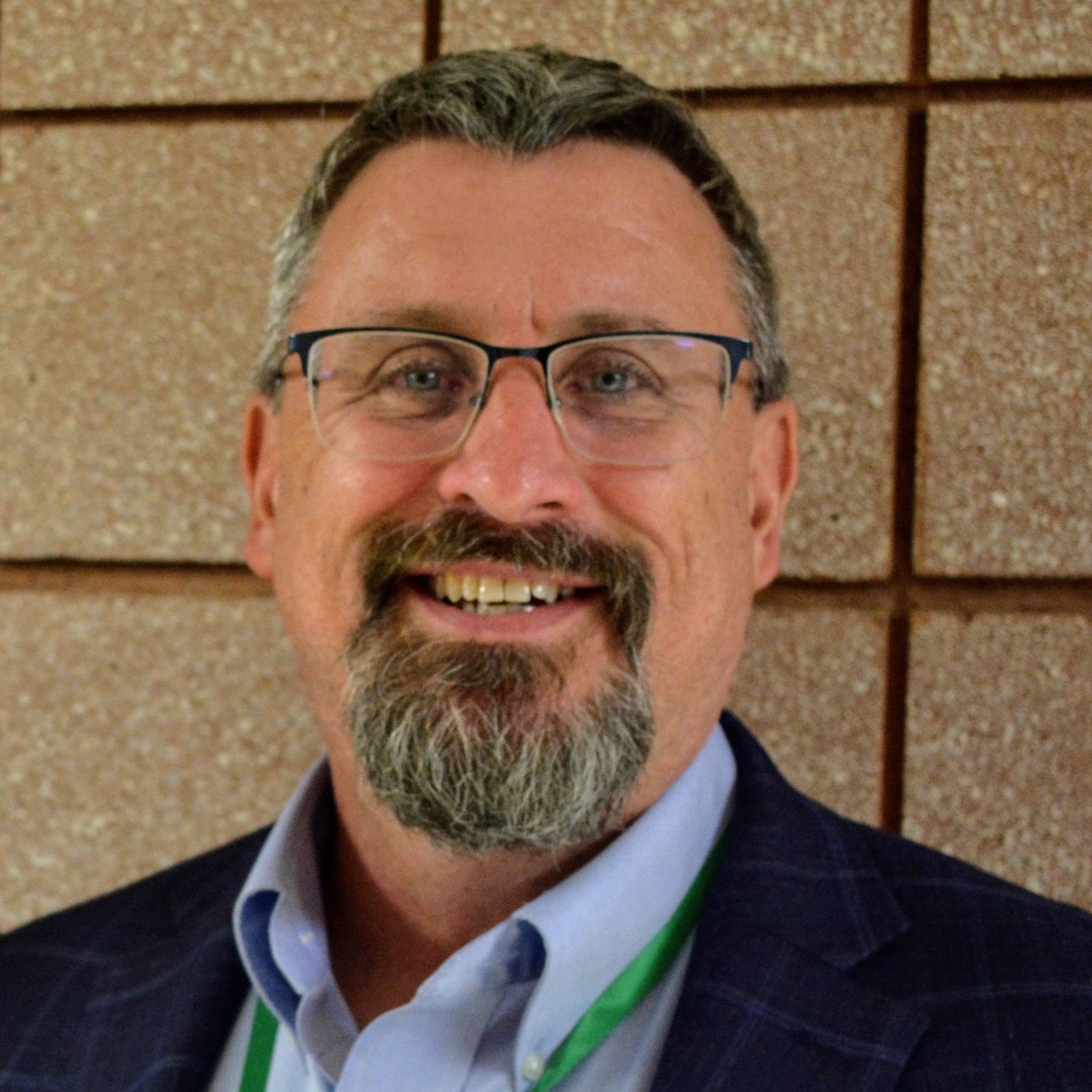
Patrick joined Lake Huron Forever in 2019, recognizing the alignment between its vision and the Community Foundation for Northeast Michigan's mission of fulfilling charitable goals while addressing community needs. Environmental stewardship, education and strategic funding intersect both organizations' commitments to community and environmental well-being.
Over the next five years, Patrick is excited to create an endowed fund supporting the Lake Huron Watershed. He looks forward to increasing community readiness to prioritize watershed health, realizing tangible improvement projects, and educating local leaders.
Through the collaborative Lake Huron Forever network, Patrick aims to contribute to the powerful synergy between charitable giving and environmental preservation for current and future generations.

-
Samantha joined Lake Huron Forever in 2019, inspired by its alignment with Huron Pines' mission of conserving and enhancing Northern Michigan's natural resources. She views the initiative's engage, activate, sustain model as instrumental in empowering Lake Huron communities to take action and sustain the shared waters' health.
At Huron Pines, Lake Huron Forever is a daily part of Samantha's work providing operational support, strengthening basin connections, leveraging resources for on-the-ground projects, and advancing the vision. Over the next five years, she's excited to incorporate more climate change focus, learning from Ontario partners on successful integration into community and regional planning.
Samantha's passion drives her commitment to protecting Lake Huron for future generations.

-
As a member of Lake Huron Forever since 2019, Bretton is passionate about protecting the precious natural resources of Michigan.
Looking ahead to the next five years, Bretton is excited about the prospect of more communities taking the Lake Huron Forever pledge, demonstrating their dedication to preserving the beauty and health of this iconic freshwater lake. He is eager to witness the positive impact of such efforts on the region's natural heritage.
Through his involvement with Lake Huron Forever, Bretton hopes to contribute to a future where Lake Huron remains a source of pride and enjoyment for generations to come.

-
Mike joined Lake Huron Forever in 2019, driven by his lifelong connection to the Great Lakes region. Having grown up on the Kawkawlin River near Lake Huron, he appreciates these waters' natural beauty and ecological significance. As part of an organization focused on conservation and sustainable solutions, Mike values Lake Huron Forever's collaborative forum enabling cross-border efforts to protect this vital resource.
Over the next five years, Mike is excited to develop sustainable programs and grow partnerships within the network. He aims to contribute his skills and experiences to safeguard the health of Lake Huron for future generations.
The Lake Huron Forever team also recognizes, through its consultation, the traditional stewardship of these waters by Canada’s First Nations and Indigenous knowledge in the formation of nature-based solutions for stormwater management.
OUR FUNDERS



Financial assistance was provided by the Michigan Coastal Management Program, Water Resources Division, EGLE, with funding through the National Coastal Zone Management Program.